The start of a new year often brings renewed focus on health. If you recently had bariatric surgery or are preparing for surgery in early 2026, you’ve already taken a major step toward improving your long-term health.
Now comes one of the most important parts of long-term success: following a structured post-operative bariatric surgery diet plan.
For many patients considering bariatric surgery in Detroit, Novi, or Macomb County, one of the most common concerns after surgery is simple:
“What can I eat now?”
That uncertainty is normal. Your stomach has changed, and eating habits must change with it. The good news is that recovery follows a clear medical structure. When you understand the phases and follow them carefully, eating becomes manageable and predictable.
At Sabir Bariatrics, our team—including a trusted bariatric surgeon in Novi and Macomb—provides detailed post-bariatric surgery guidance so you never have to guess your way through recovery.
Your 4-Phase Post-Bariatric Surgery Diet Plan
Post-bariatric surgery nutrition progresses gradually to protect your surgical repair, reduce complications, and build sustainable long-term habits.
Whether you underwent bariatric surgery in Detroit, Novi, or Macomb, recovery follows four medically supervised phases, each designed to allow your stomach to heal while slowly reintroducing texture and volume.
Always follow your surgeon’s individualized instructions, but the general post-bariatric diet timeline includes four phases.
Phase 1: Clear Liquids (Weeks 1–2 After Bariatric Surgery)
Primary Goal: Hydration and Healing
Immediately after surgery, your stomach is swollen and healing. Solid food is not appropriate at this stage. Proper hydration supports circulation, healing, and recovery while minimizing nausea and fatigue.
Guidelines:
- Sip slowly throughout the day (do not gulp)
- Aim for consistent daily hydration
- Avoid carbonation, caffeine, and sugar
- Do not use straws (they introduce excess air)
Approved Options:
- Water (room temperature is often best tolerated)
- Clear broth (chicken, beef, or vegetable)
- Sugar-free gelatin
- Decaffeinated tea
- Protein shakes (typically introduced toward the end of week 1, if approved)
Protein Shake Target:
20–30 grams of protein per serving
Less than 5 grams of sugar
Dehydration is one of the most common causes of early post-operative discomfort and readmission. Prioritizing fluids during this phase protects your recovery.
Phase 2: Full Liquids & Pureed Foods (Weeks 3–4)
Primary Goal: Gradual Texture Introduction
As swelling decreases, your stomach can begin tolerating slightly thicker textures. This phase allows your digestive system to adapt while preserving protein intake.
Texture Rule:
Foods should be smooth and free of chunks. If it cannot be easily blended or mashed, it is too advanced for this stage of the bariatric surgery diet.
Approved Options:
- Smooth Greek yogurt (no fruit pieces)
- Cottage cheese (small curd)
- Soft scrambled eggs
- Pureed chicken or tuna (blended with broth or light mayonnaise)
- Mashed sweet potatoes
- Protein shakes
Chew thoroughly—even soft foods—to support digestion and prevent discomfort. Eating too quickly can cause nausea or pressure.
Phase 3: Soft Foods (Weeks 5–8)
Primary Goal: Building Tolerance and Expanding Protein Variety
During this stage, most patients notice improved energy and increased tolerance. The goal is to continue prioritizing protein while introducing soft, structured meals.
Texture Rule:
If it can be easily mashed with a fork, it is generally appropriate.
Approved Options:
- Soft fish (salmon, tilapia)
- Ground turkey or lean ground beef (moist, with low-fat sauce)
- Cooked vegetables (soft carrots, green beans)
- Canned fruit in water (no syrup)
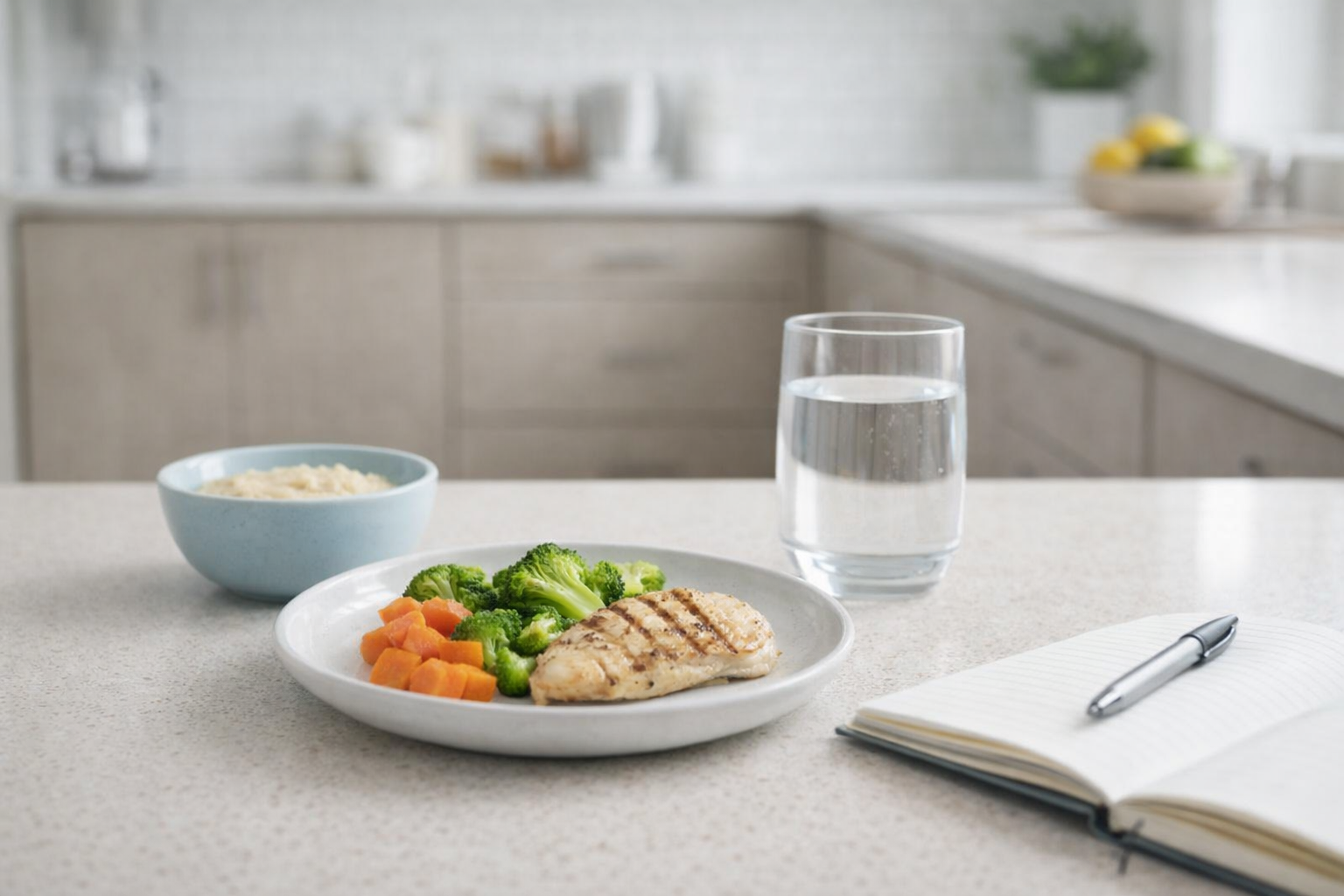
Avoid dry meats. Dry grilled chicken breast, for example, is often difficult to tolerate and may cause a “stuck” sensation. Moist preparation methods improve tolerance and comfort.
Advancing textures too quickly can increase the risk of vomiting or food intolerance, so move forward only as advised by your bariatric surgeon.
Phase 4: Long-Term Maintenance (Month 3 and Beyond)
Primary Goal: Establishing Lifelong Bariatric Eating Habits
By month three, you may slowly expand to a wider variety of solid foods while maintaining portion control and protein prioritization.
Core Principle:
Protein first.
Eat lean protein before vegetables or carbohydrates to support muscle preservation and satiety.
Recommended Foods:
- Lean meats
- Fish
- Eggs
- Fresh fruits
- Non-starchy vegetables
- Whole grains (in moderation)
Portion Awareness:
Stop eating before you feel overly full. It can take up to 20 minutes for fullness signals to register. Eating slowly helps prevent discomfort and overeating.
Essential Long-Term Success Guidelines After Bariatric Surgery
1. The 30/30 Rule
Do not drink fluids:
- 30 minutes before meals
- During meals
- Until 30 minutes after eating
Liquids can move food through your stomach pouch too quickly or create uncomfortable pressure when combined with solid food.
2. Vitamins Are Mandatory
Bariatric surgery alters nutrient absorption. Lifelong supplementation is required to prevent deficiencies.
Most patients need:
- Bariatric-specific multivitamin
- Calcium citrate
- Vitamin B12
- Vitamin D (as recommended)
Routine lab monitoring is typically required to ensure appropriate supplementation levels. Failure to follow vitamin guidelines can lead to fatigue, hair thinning, anemia, or bone loss.
3. Avoid High-Sugar and High-Fat Foods
High-sugar or high-fat foods can trigger dumping syndrome, which may include:
- Nausea
- Sweating
- Rapid heart rate
- Abdominal cramping
Not all patients experience dumping syndrome, but understanding the risk helps prevent avoidable symptoms and supports consistent weight loss.
4. Focus on Structured Eating
- Eat slowly
- Chew thoroughly
- Avoid grazing
- Measure portions
- Track daily protein intake
Frequent snacking on soft, high-calorie foods (such as ice cream or chips) can slow or stall weight loss—even after bariatric surgery.
Common Mistakes to Avoid After Bariatric Surgery
- Advancing diet phases too quickly
- Skipping protein goals
- Not drinking enough water
- Failing to take prescribed vitamins
- Grazing instead of eating structured meals
Bariatric surgery is a powerful medical tool—but long-term results depend on consistent nutrition and follow-up care.
What Long-Term Success Can Look Like
By mid-year, many patients report:
- Significant weight loss
- Reduced joint pain
- Improved blood sugar control
- Increased energy
- Greater mobility
- Improved confidence
These outcomes are most consistently achieved when post-bariatric surgery guidelines are followed carefully over time.
Why Choose Sabir Bariatrics?
If you are searching for a trusted bariatric surgeon in Novi or exploring bariatric surgery in Detroit or Macomb, Sabir Bariatrics provides comprehensive, medically supervised care before and after surgery.
We offer:
- Comprehensive post-operative follow-ups
- Nutrition guidance and education
- Ongoing medical monitoring
- Support resources
- Non-surgical weight management options when appropriate
Led by a board-certified bariatric surgeon serving Metro Detroit area, our mission goes beyond surgery—we focus on lasting metabolic health improvement and long-term success.
Ready to Take the Next Step?
Whether you are preparing for bariatric surgery or need support with your post-bariatric diet, our team is here to help.
Schedule your consultation today.
📞 248-974-1584
📍 Consultations available in Novi and Macomb
🌐 Serving patients seeking bariatric surgery in Detroit and surrounding communities
Make this the year you commit to a medically guided post-weight loss surgery diet plan—and protect the investment you’ve made in your health.