Choosing to undergo weight loss surgery is motivated by a strong desire to improve your health, live longer, and reduce the effects of obesity-related medical conditions.
Bariatric surgery is about much more than losing weight. It helps many people improve their health, become more active, and enjoy a better quality of life.
As your body begins to change, however, it’s natural to have concerns about your appearance. Many people wonder, “Will I look worse after losing the weight?” Body image anxiety is a common and understandable part of the weight loss journey.
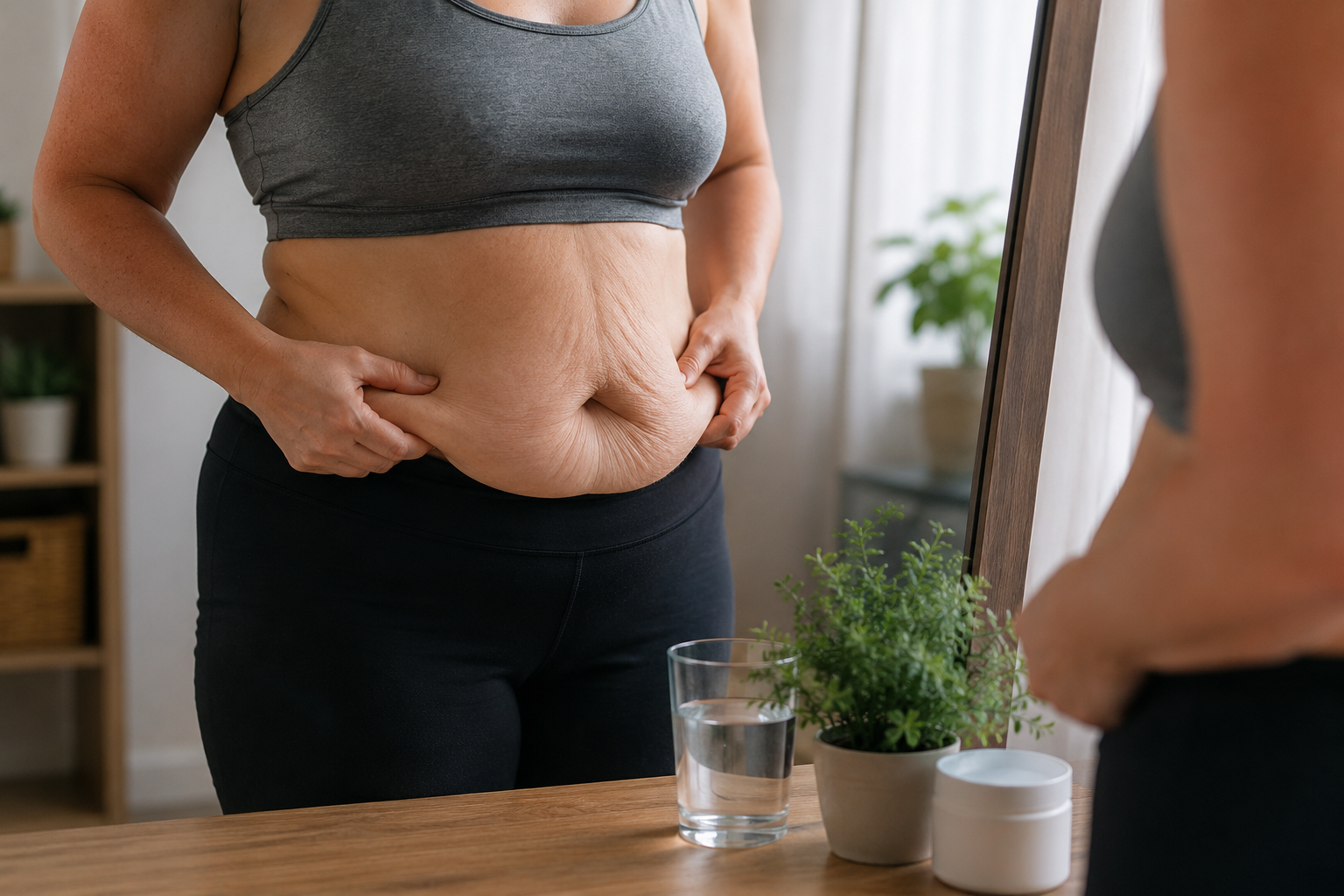
In fact, almost every patient who loses a significant amount of weight asks about loose skin during their bariatric journey. While the degree varies, it’s a normal part of the healing and weight loss process—not a sign that something has gone wrong.
Why Does Loose Skin Develop After Bariatric Surgery?
The skin is a complex, living organ that expands over time to accommodate excess body fat. As you lose weight, the fat beneath your skin decreases much faster than your skin can shrink. As a result, many people notice loose or excess skin, especially after significant weight loss.
Whether you’ve had a gastric sleeve or gastric bypass, some degree of loose skin is common after significant weight loss. However, this loose skin is a common reminder of the incredible progress your body has made.
At Sabir Bariatrics, we believe successful bariatric care goes beyond the surgery itself. Our team prepares you for every stage of your weight loss journey, helping you understand the physical and emotional changes that may occur so you can move forward with confidence.
Managing Loose Skin After Weight Loss Surgery
How your skin responds after significant weight loss depends on several factors, including your genetics, age, smoking history, and how long your skin remained stretched before surgery. These factors influence how much your skin can naturally tighten over time.
Areas that lose the most fat—such as the abdomen, upper arms, thighs, and chest—are also the most likely to develop noticeable loose skin.
During the initial twelve to eighteen months following your procedure, while your weight continues to stabilize, several proactive steps can optimize your comfort and skin health:
Eat Enough Protein: Consistently meeting your daily protein targets is foundational to helping your body rebuild essential structural elements like collagen and elastin within the dermal layers.
Build Strength with Resistance Exercise: Engaging in a structured, medical team-approved resistance training program builds lean muscle mass beneath the surface, naturally filling out loose areas and enhancing your overall physical strength.
Protect Your Skin: Utilizing high-quality medical compression garments provides structural support, prevents painful skin friction, and stabilizes contour lines during daily physical activities.
For individuals who experience extensive loose skin that causes physical irritation or persistent psychological distress after reaching complete weight stability, modern plastic surgery offers highly effective body contouring procedures. These specialized surgeries safely remove excess tissue, aligning your external appearance with your new, vibrant health.
Your Next Step Toward Alignment
If you’re considering bariatric surgery, don’t let concerns about loose skin keep you from improving your health.
Over more than 20 years of caring for bariatric patients, Dr. Sabir has helped many individuals navigate not only weight loss itself, but also the physical and emotional changes that follow. One of the most common concerns patients discuss is loose skin—and understanding what to expect often brings significant peace of mind.
Connect with our practice today and let our care team guide you through every stage of your weight loss journey.
- Practice Name: Sabir Bariatrics | Weight Loss Center
- Office Address: 28455 Haggerty Rd #203, Novi, MI 48377, United States
- Direct Office Phone: +1 248-974-1584
- Clinical Inquiries: sabir.bariatrics@gmail.com
- Action Portal: Talk to Our Care Team
Frequently Asked Questions
1. Will everyone experience severe loose skin after bariatric surgery?
Not everyone experiences loose skin to the same degree. How much your skin tightens depends on individual biological variables, including chronological age, genetics, initial body mass index, hydration levels, and smoking history. While almost all individuals undergoing a massive weight reduction will notice some level of loose skin, the exact extent and location vary significantly from person to person.
2. Can specific exercises or over-the-counter creams eliminate loose skin entirely?
While targeted resistance training is highly recommended to build lean muscle mass that can fill out and firm up mildly loose areas, it cannot completely resolve extreme loose skin where the skin’s structural fibers have been permanently stretched over time. Over-the-counter creams can improve skin hydration and texture, but they cannot tighten loose skin that has been stretched over time.
3. How can I prevent skin irritation or rashes in areas with excess tissue?
Maintaining pristine skin hygiene is key to preventing complications. Keep skin folds completely clean and thoroughly dry after bathing or exercising. Wearing high-quality, breathable, moisture-wicking medical compression garments is highly effective at reducing skin-on-skin friction, preventing painful chafing, and protecting sensitive areas from environmental moisture accumulation.
4. When is it clinically appropriate to consider surgical body contouring?
Surgical body contouring is generally recommended after your body has reached a stable weight, which typically occurs between twelve to eighteen months following bariatric surgery. Undertaking skin removal surgery before your weight stabilizes can compromise your long-term healing outcomes, as subsequent weight fluctuations will alter the tension of the remaining tissues.
5. Does health insurance typically cover the cost of excess skin removal surgery?
Health insurance coverage depends entirely on medical necessity rather than cosmetic preferences. If excess skin causes documented, chronic medical complications—such as recurrent skin infections, severe ulcerations, or functional mobility limitations that fail to respond to prescribed topical medical treatments—insurance providers may cover specific panniculectomy or tissue removal procedures. Detailed documentation from your clinical care center is essential for this evaluation.